
The Best Hard Drives for Gaming in 2024
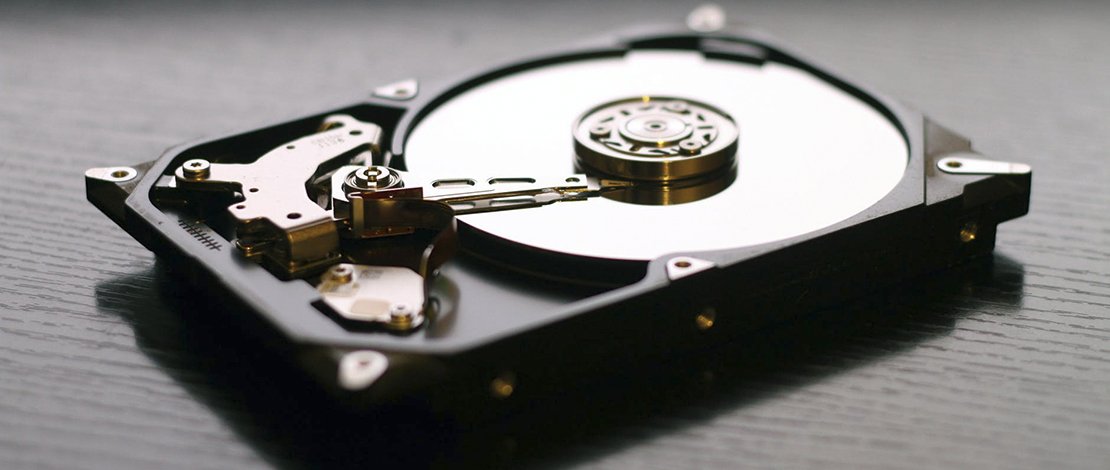
Building a decent gaming PC takes quite a bit of work, time, and money. Using the best hard drive for gaming and other components is much more worthwhile than choosing flashy, but ineffective parts.
Hard drives are no longer the only option on the market. SSDs are becoming increasingly popular, but an internal or external hard drive does offer certain advantages when it comes to gaming. Firstly, they’re bigger.
If you get one of the best gaming hard drives, you’re gonna get more free space. More space has a few uses, it can help improve the performance of your games and actually allow you to store your Steam library without having to re-download anything.
After all, everyone has stacks of games on there that they’ve not thought about since they saw it in the sale. You’re much more likely to finally pick one up if you don’t have to re-download it.
SSDs are useful, but a hard drive for gaming is always going to have its place. These are some of the ones at the market at the moment. The best hard drives have to suit a gaming PC perfectly, and these do.
Best Hard Drives for Gaming
WD Black HDD
The Best Hard Drive for Gaming for Speed
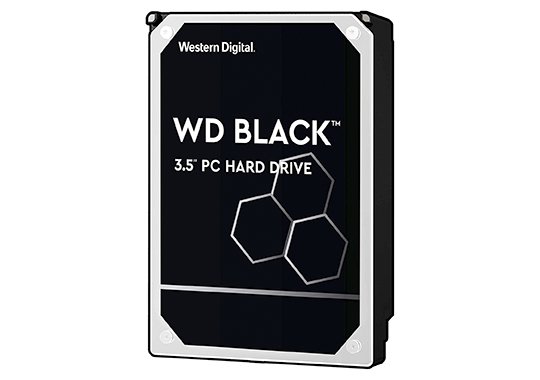
- 2X Dram Cache up to 256 MB
- 5 Year Warranty
- Available in 500GB, 1 TB, 2 TB, 4 TB, and 6TB
The WD Black HDD hard drive really shows how far things have come in recent years. This thing can go up to 6TB in capacity, for a decent price. This is a bizarrely large amount of storage compared with just a few years ago.
It doesn’t just use this space for backups though. This is one of the best hard drives for gaming pcs because of its cache speeds. The cache allows a hard drive to be used as temporary storage, like RAM.
This is the most important thing for using a hard drive to speed up your computer. The quicker and larger the cache that can be used on the drive, the more your demanding games can utilise that for extra power.
This hard drive features a 2X Dram cache which allows for up to 256 MB. This is pretty fast compared with most hard drives, unless you’re looking for something like a NAS hard drive.
On top of this, it’s solidly constructed with a decent hard drive enclosure. It comes with a 5-year warranty. This is a really solid product if you want a hard drive that is going to speed things up.
- High Capacities
- High Speeds
- Long Warranty
- Doesn’t utilise SSD
- Doesn’t Come with Equipment to Install or Mount This Drive
Seagate FireCuda Gaming
The Best SSD Hard Drive for gaming
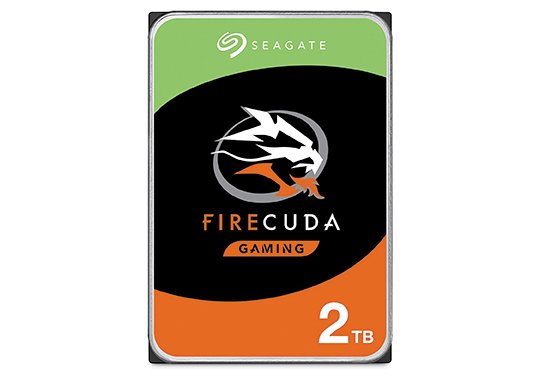
- SSD and HSS capabilities
- 5 Year Warranty
- Available in 1TB and 2TB
Hard drives are mainly for storage, but SSDs take things further. This SeaGate offering is an exception. It has an internal SSHD drive giving it HDD and SSD capabilities. This really is the best of both worlds.
SSD storage is considerably better for increasing performance. However, HDD does offer some storage advantages. This hard drive takes care of both of these problems. The SSD section allows you to boost the performance of your PC, and the HDD gives you the storage that you need.
This hard drive also comes with a 5-year warranty. One drawback would be the lower capacities, which might become a problem since games are becoming so large.
Outside of this, the combination of SSD and HDD capabilities make a great choice, and as an SSD/hard drive hybrid, it functions pretty well as one of the best internal hard drives for gaming.
- Includes SSD for speed
- Low Power Consumption
- Long Warranty
- Lower Capacities Than Other Hard Drives
Seagate BarraCuda Pro Compute
The Best HDD Hard Drive for Gaming
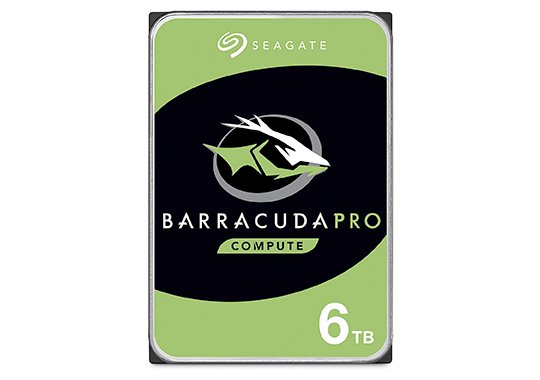
- Available in 2TB, 4 TB, 6 TB, 8TB, 10TB, 12TB, and 14TB
- 7200 RPM Speed
- 5 Year Warranty and Two Year Data Recovery Service
This is another offering from SeaGate, but it has some very different qualities to the FireCuda. This one focuses on high capacities and storage capabilities. It does feature some good speeds for HDD too.
This is one of the best hard drives for gaming for pure storage space and speed of reading. It comes in pretty big capacities, which should allow you to store a whole lot of games and have space free to boost your performance.
It can reach 7200 RPM and comes with a warranty and two-year data recovery service. That’s the kind of thing you don’t really think you need, until it is too late.
This is a great gaming hard drive if you’re looking for raw size and speed, which is the main job of a hard drive.
- High Capacities
- Fast Speeds
- Great Warranty and Recovery Options
- Doesn’t Utilise SSD
- Not the Best for Boosting Performance
WD Blue 3.5” Hard Drive
The Best Budget Hard Drive for Gaming
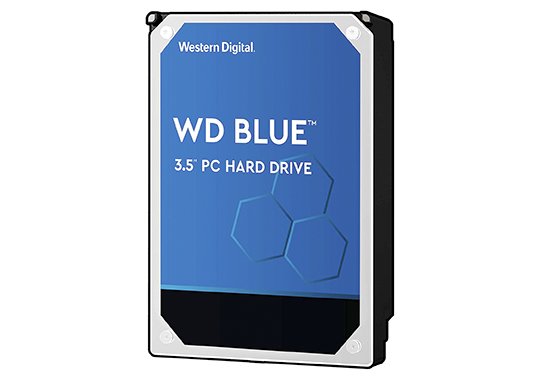
- Available in 500GB, 1TB, 2TB, 3TB, 4TB, and 6TB.
- 2 Year Warranty
- Includes WD Edition Cloning Software
Building a PC can become a pretty big project. This is one of the best external hard drives for gaming if you’re looking for something a little simpler or easier. It is built to last and has decent capacities, especially for this price point.
The WD Blue hard drive isn’t the flashiest out there, it lacks the SSD capabilities or the fancier bells and whistles of some of the others. However, a hard drive is only really there for storage.
If you looking for high storage capabilities and decent speeds, you don’t need to look any further than this WD hard drive. If you want something simple, this achieves it at a great price point.
- Reliable and Well Built
- Decent Speeds
- Slower
- Not Great for Getting Better Performance
Seagate Game Drive
The Best Hard Drive for Console Gaming
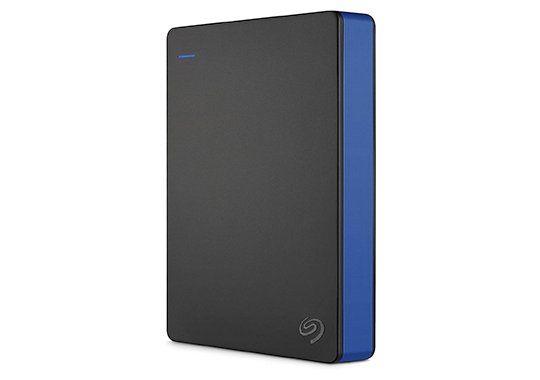
- Available in 2TB and 4TB sizes.
- Officially Licenced by Sony for PS4
- Uses USB 3.0
- 1 Year Warranty
Hard drives are becoming an absolutely essential part of any gaming set-up, this increasingly includes consoles too. Big day one patches are testing the limits of the built-in storage.
This external hard drive for gaming that addresses this, with compatibility with consoles in mind. It is also usable on a PC though, so this is a pretty versatile hard drive.
It connects via USB 3.0, which gives you a much faster read and write time. At a high capacity, you can go digital-only without too much hassle.
The downside of this hard drive is its impact on performance. While it claims to have a throttle performance feature, hard drives don’t really have a big impact on a consoles performance.
This is more of an issue with the terminology used in marketing than the hard drive itself! This is still one of the best hard drives for gaming on a console, but you need to be aware of what that means since it is limited.
- Great storage sizes for a console
- Good Read and Write Speeds
- Easy to Make a Permanent Part of Your Console
- Warranty is Limited and Short
- Marketing Makes Some Misleading Claims
WD Black P10 Game Drive
The Best Multi-Purpose Hard Drive for Gaming
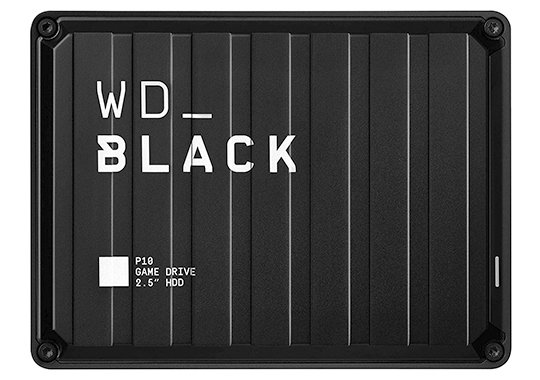
- Compatible with Consoles, Pc, and Mac
- Available in 2TB, 4TB, and 5TB Sizes
- Portable and Durable
The WD Black Hard Drive is specifically built for gaming, but it is built to work just as well on consoles as is it on PCs, or even Mac.
It comes in a pretty wide array of sizes, so you’re sure to find something for your needs. Whether you want to run a competitive game at the FPS possible or just store an ever-growing mass of indies, you’ll be able to.
It’s HDD is optimized for speed, but not quite as much as some of the others on this list. This one is built to be accessible. It is also particularly portable.
This is an easy to use and portable device. It offers high amounts of storage which makes it pretty useful.
- Good Storage Size
- Good Compatibility
- Good Speeds
- Not Great for Boosting Performance
How to Choose a Hard Drive for Gaming
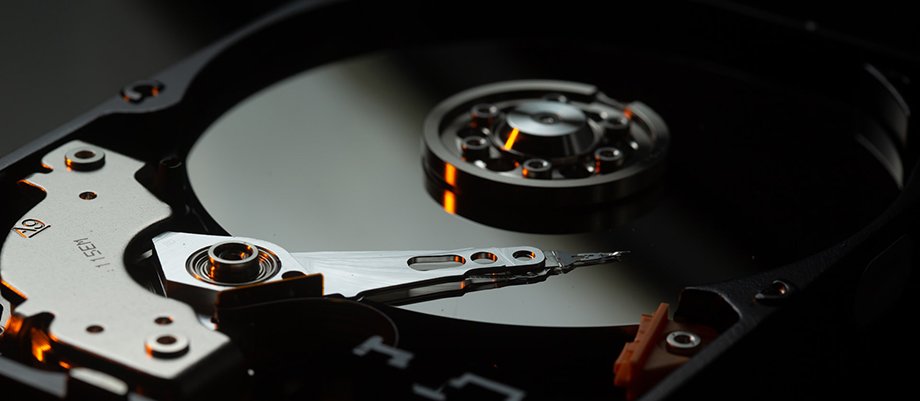
Those are the best options out there for a gaming hard drive at the moment. However, which one is right for you comes down to what your needs are. A hard drive is an important piece of a PC, so you want to be sure you made the right choice.
This guide covers what you’ll need to know before picking one. This should help you cut through the marketing-speak of the products and see which of the best hard drives for gaming PCs is for you.
What You Need to Know
Before you decide on which of the best hard drives for pc gaming is for you, you need to know a few things. Otherwise, you could end up with a fantastic internal hard drive for gaming that won’t even fit your PC.
- HDD and SSDs – HDDs are more traditional hard drives and have slower read and write speeds than SSD. While some can be used to boost performance, they work best as storage.
- Free Space Helps with Running Games – Free space on your PC and its memory devices allow it to run programs and games at a better rate because it has more RAM free for processing. This is why some people opt for huge drives even though they don’t need 10 TBs.
- Internal V External – An internal hard drive is installed inside of your PC, an external one connects outside through a cable.
- A TB Isn’t as Big as You Think – A TB sounds impressive, but it actually fills up quickly. Demanding AAA games will eat up that space as fast as they can, Red Dead Redemption 2 takes 150GB. That’s one game about a cowboy, if you play big titles you’ll need to think about this.
What to Consider Before the Purchase
With all that in mind, you should have a better idea of which of the hard drives for gaming actually suits your needs. These are some things to think about to find out exactly what you need from a hard drive:
- HDDs Don’t Boost Performance Past a Certain point – HDDs can boost performance. However, they can only do so much. At a certain point, more free space on there isn’t going to help you, so you’ll have space for RAM and storage on the vast majority of these devices.
- Storage Gets Cheaper Every Year – A huge hard drive is going to cost a bit at the moment. However, higher storage capabilities predictably decrease in size as storage needs increase. History says that a 10 TB drive isn’t going to be as expensive in a few years. Consider this if you plan on replacing your hard drive after a while.
- Built to Last – Warranties and data recovery is really important if your storing things you can’t recreate. Technical errors happen, and they can become a real problem. Make sure you understand the warranty of each of these best hard drives for gaming, the longer ones are a more valuable asset than they might appear.
With those things in mind, you should be able to figure out what you need from a hard drive for gaming.
Hard Drives for Console Gaming
Console gaming needs a good hard drive as much as PC these days, which is why so many of them market themselves as compatible. However, consoles only really need extra space for storage. This is how it all works:
- Most Consoles Have a Speed Bottleneck – No amount of extra storage space helps with most consoles. The first model of PS4 is a good example, more space to save games doesn’t speed it up. Newer models will see some improvement, but it is marginal.
- Consoles Aren’t Designed That Way – Consoles aren’t built to be modular and upgradable. The speed of software and the interface is built to match the speed of the console’s hardware. This isn’t a PC that can dynamically adjust to greater hardware, all console games are built to operate at the base level of the console.
- SSD Installations Speed Things Up – You might see some marginal gains using an HDD to free up operating space on your console’s internal memory. However, fitting an SSD inside of the console itself can really speed things up.
All of this doesn’t mean a hard drive for console gaming is a waste of time, but keep in mind it is only really good for storage.
PC and Mac
This is a common consideration with tech of all types. Just like consoles though, this is really just a marketing tool rather than a hardware difference. This is why you don’t really need to worry about the different systems for gaming hard drives:
- Formats – PC and Mac use different formats of storage to operate. The format of a drive isn’t hard-wired into it, this is something you can easily change.
- Formatting Is Simple – Programs can re-format the hard drive in a few clicks. Although, it does take some time and typically wipes the data on there.