
The Best Flash Drives in 2024
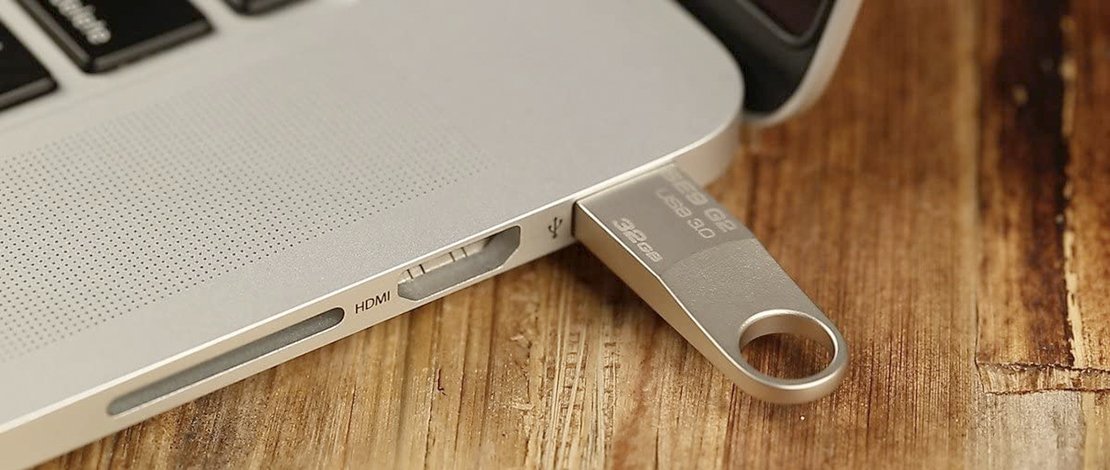
A lot of people don’t put an awful lot of thought into their flash drives. Devices can be barebones, and many settle for small 5GB drives with slow transfer speeds. This is why you might be surprised at how far the best Flash drives have come in recent years.
Flash drives aren’t just an easy way of transferring data; they can do quite a bit more. You can run and boot software from a drive, use it in a TV or smart device to instantly play your media, or even back up and encrypt things. USB flash drives need to rise to these challenges.
Most importantly, you want something with a good data transfer speed. Most people are still putting up with a transfer speed that was only par for the course back on Windows XP.
You can now get some great speeds, transferring 4K movies back in and forth in minutes rather than hours. If you’re looking to upgrade your old USB stick to one of the best flash drives, these are the best choices currently out there on the market:
Best USB Flash Drives
Samsung BAR Plus
One of the Best Flash Drives for Speed
- Safeguarded Against Water, Shock, Magnets, Temperatures, and X-Rays
- Available in 32 GB, 64 GB, 128 GB, and 256 GB Capacities
- Transfer Speeds up to 200MB/S
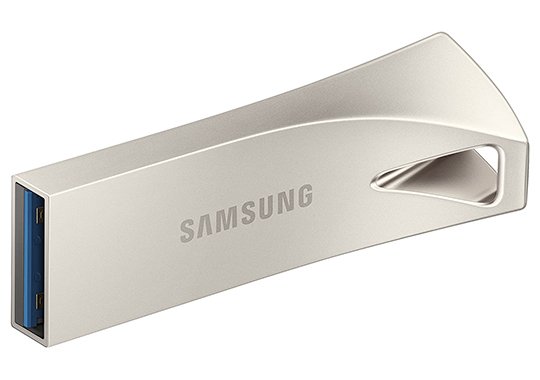
The first thing you’ll likely notice about the BAR flash drive is its unique shape and style. Although this isn’t all style over substance, it’s got great specs under the hood too.
This is one of the best USB 3.0 flash drives because of its great speeds and security. It has a read speed of up to 200 MB/S, and this only dips a little bit with writing.
The BAR is also water, shock, and magnet proof, and won’t be disturbed by extreme temperatures or X-Rays. Essentially, you’ve got the protection from the elements, loss, or anything you might put this flash drive through.
The main drawback is a slower write speed than what would be ideal. However, it is still on par with most of the best 128GB flash drives.
- USB 3.1 Connection
- Hard Metal Casing
- Fast Transfer Speeds
- Slow Write Speeds
Kingston DataTraveler Exodia
Reliable Storage Option
- Capacity 32GB, 64GB, 128GB, 256GB
- Weight 11G
- Dimensions 67.3mm x 21.04mm x 10.14mm
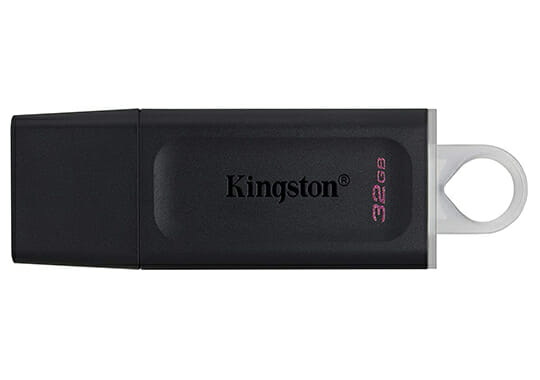
Kingston produces all sorts of storage devices therefore it is not surprising that they also offer options for flash drives. The Kingston DataTraveler Exodia is a USB 3.2 Gen1 drive that can go up to 256GB of storage capacity.
The drive is pretty small 67.3mm x 21.04mm x 10.14mm and weighs in at 11g. This USB flash drive will work with most devices you could pair it with and comes with a 5-year warranty in case something happens during your usage.
Overall a decent flash drive for general usage.
- Variety of storage capacities
- 5-year warranty
- Compatible with most devices you would use
- No lifetime warranty
Corsair Flash Voyager GTX
The Best Premium Flash Drive
- Fast Speeds
- USB 3.1 Connection
- Available in 128 GB, 256 GB, 516 GB, and 1 TB.
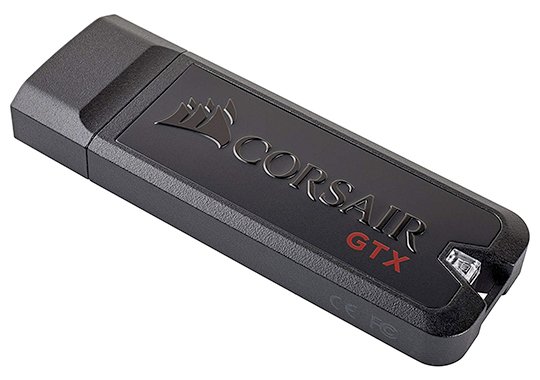
The Corsair flash drive is a little more expensive than most others on the market. However, once you take a look at its specs, it is pretty easy to see why. It has just about everything you could want from a flash drive.
It is available in large sizes, ranging from 128GB up to a TB. This makes it one of the best flash drives for photos if you’re a professional photographer.
Of course, the TB drive is going to set you back quite a bit, but that is huge storage for a flash drive of its size, you could even use one instead of an external hard drive. It has read speeds of 440MB/S or a GB in 4 and a half seconds.
If you’re looking for a device to store data safety and give fantastic speeds, this is a great choice.
- Fast Read and Write Speeds
- Zinc Alloy Casing
- USB 3.1 Connection
- Dull Design
- Higher Price
SanDisk Ultra Fit
The Best Simple Flash Drive
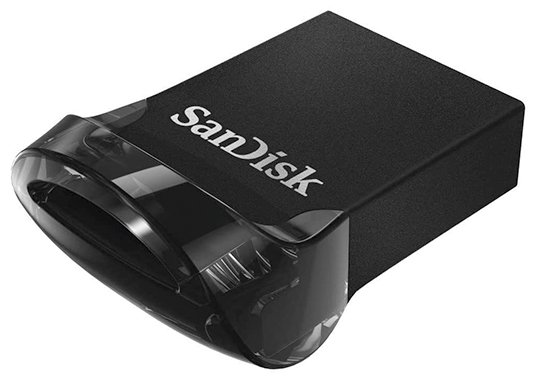
- Compact and Portable
- Available in 16 GB, 32 GB, 64 GB, 128 GB, and 256 GB
- USB 3.1 Connection
If you’re looking for a USB flash drive for music, this is a decent choice and it is a really simple device. It even offers big sizes at an affordable price.
The Ultra Fit keeps things simple. It has a speed of 130 MB/S for reading. This isn’t fantastic compared with some other drives. However, if you just need it for simple purposes then this is adequate.
This is a great simple flash drive if that is all that you’re looking for then it is hard to go wrong with the SanDisk Ultra Fit.
- Fast USB 3.1 Connection
- Cheap for Large Sizes
- Small and Portable
- Slow Read and Write Speeds
- Not the Most Reinforced Casing
Silicon Power USB-C Flash Drive
The Best USB-C Flash Drive
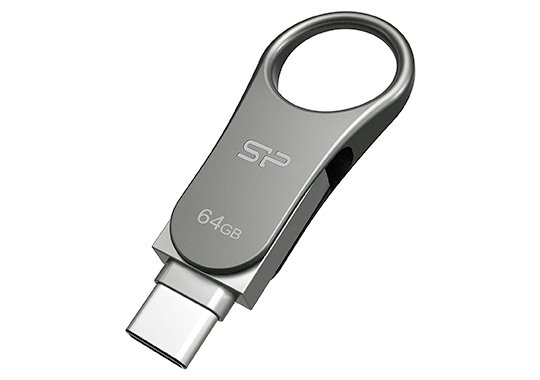
- USB-C Connection
- Available in 64GB Capacity Only
- Free File Management App Included
The growth of the market for external DVD drives should be enough evidence that people have to work around the bizarre ports and hardware on devices. The USB isn’t as dominant as in the past. New MacBooks no longer have standard USBs, so you’ll need one of the best USB C flash drives.
The Silicon Power drive works with MacBooks or Phones that only feature the USB-C port. This is one of the best USB C flash drives and will definitely work better than a convertor.
You don’t need to settle just because you’re not using a regular USB connection. This features decent transfer speeds for reading and writing along with protections.
- Works with USB-C Devices
- Good Speeds
- Portable and Well Designed
- Not Compatible with Regular USB Easily
- Not as Fast Speeds as Some Regular Flash Drives
Samsung FIT Plus
The Best Compact Flash Drive
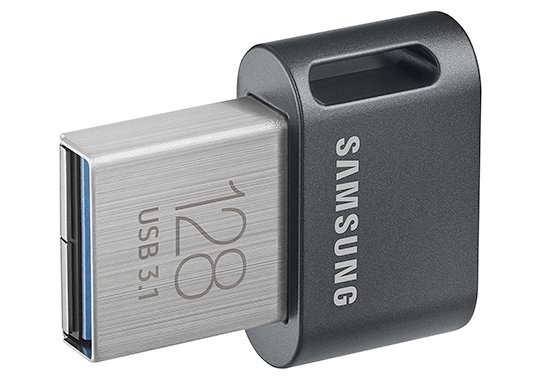
- Small Compact Design
- High Speeds
- Available in 32 GB, 64 GB, 128 GB, and 256 GB Capacities.
The Samsung Fit might be named for its unique shape. The only issue you’ll ever have with storage is losing the tiny thing. This design makes it great for plugging into appliances.
Slotted into a TV, console, or laptop, you’ll barely even notice that it is there. This is helpful if you’re looking to play your media without having your home become full of sticking out dongles. It’s great for these purposes since it can hold a lot of video as one of the best 256GB flash drives.
Outside of the design and size, this features a USB 3.1 connection to give it a speed of up to 300 MB/S. This is on the faster end for the flash drives for this price. If you want something compact, then this is the one for you.
- Fits in Great with Non-PC Devices
- Fast Read Speed
- High Capacity for its Size
- Could be Very Easy to Loose
- Slower Write Speed
SanDisk Extreme PRO USB 3.2 Flash Drive
The Best Slim Flash Drive
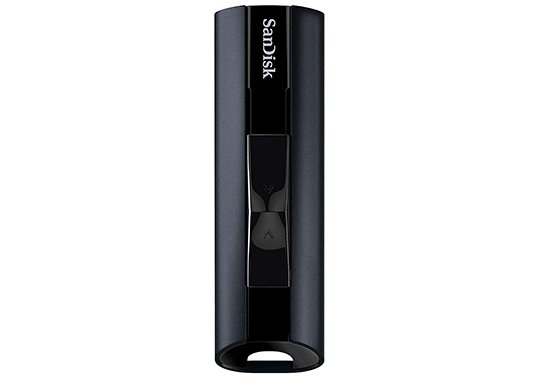
- Available in 128GB, 256GB, 512GB, and 1TB capacities
- USB 3.2 Connection
- Comes With Limited Lifetime Warranty
The SanDisk Extreme PRO is a pretty fast flash drive that comes in a slim body and includes an impressive selection of capacities. You can go as high as 1TB with this little flash drive.
It uses USB 3.2 standard and achieves up to 420MB/s read and 380MB/s write speeds, making it one of the fastest flash drives on the market. The body is made of metal, increasing durability; the drive also comes with SanDisk SecureAccess encryption software for keeping your files safe.
In case you accidentally delete important data, you can use the bundled RescuePRO Deluxe data recovery software to recover it. Overall, this is a blazing fast flash drive with excellent build quality and lots of different capacities.
- Wide Selection Of Capacities
- Blazing Fast Transfer Speeds
- Durable Body Made Of Zinc-Aluminum
- 128-bit AES Encryption
- Sleek Design
- Expensive
PNY Turbo
The Best Lightweight Flash Drive
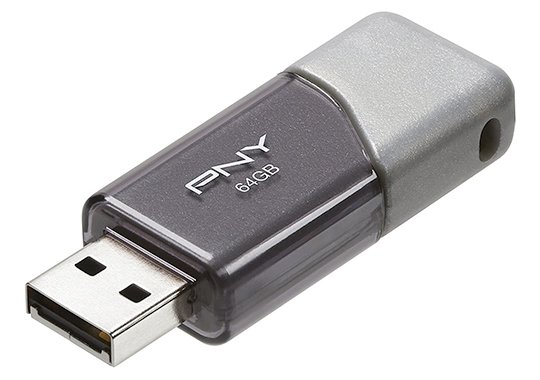
- Slim Design
- USB 3.0 Connection
- Available in 32 GB, 64 GB, 128 GB, and 256 GB Capacities.
The PNY Turbo might not have the tiny design of the Samsung Fit, but it is one of the lightest flash drives you’ll find. Aside from its size and weight, it has a nice polished metal look.
The PNY comes with free technical support. Ever ended up baffled and confused trying to insert and remove a USB drive? Worry no more.
It features a USB 3.0 connector. With this, you can reach higher speeds, but this particular drive is known to have inconsistent transfer speeds. This shouldn’t be too big a problem, but it is worth considering.
- Lightweight
- USB 3.0 Connection
- Free Technical Support
- Inconsistent and Lower Speeds
SanDisk Ultra Dual Drive Go
A Solid USB-C and USB A Storage Device
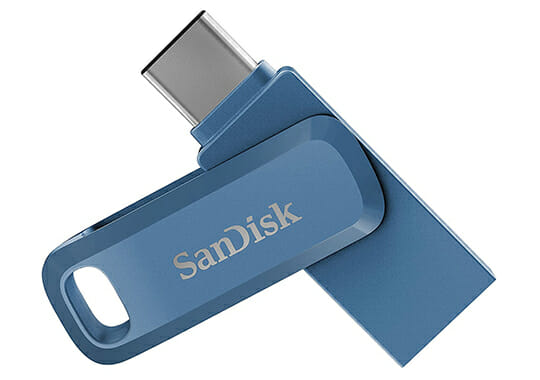
- Capacity 32GB / 64GB / 128GB / 256GB/256
- USB Type-A/USB Type-C
- Dimensions 44.41 x 12.1 x 8.6 mm
If you are looking for a product that will allow for greater flexibility when it comes to connectivity then the SanDisk Ultra Dual Drive Go is the way to go for you. This flash drive can be used both with a traditional USB Type-A and a USB Type-C connector.
This allows the flash drive to be used with computers but also with smartphones or other devices that use a USB Type-C connection. The connection is a USB 3.1 therefore you benefit from high enough speeds that will not hinder your productivity.
The nice part about this USB drive is that it is not the priciest on the market therefore it is a viable purchase for most users.
- Two types of USB connections on one device
- Small and compact flash drive
- Can be used with smartphone devices
- Uses a USB 3.1 Gen1 connection instead of the newer USB 3.2
Teamgroup C183
Reliable Storage Option
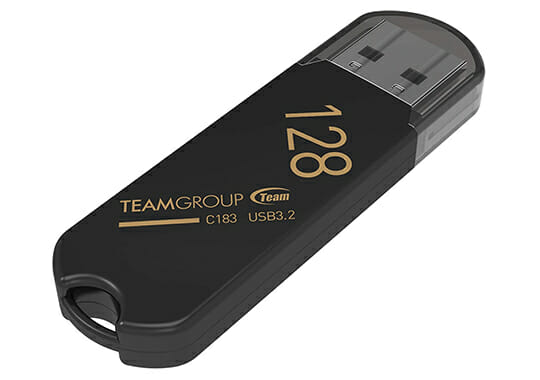
- Capacity 16GB / 32GB / 64GB / 128GB / 256GB
- Weight 7G
- Dimensions 58(L) x 17.6(W) x 7(H)
The Teamgroup C183 flash drive is a somewhat more budget-oriented storage option that comes in a bit cheaper than the other options on the list. Nonetheless, this USB drive has all the necessary features to recommend it for daily usage.
There are all the necessary storage capacities ranging from 16GB / 32GB / 64GB / 128GB / 256GB. This is a USB 3.2 Gen1 therefore the performance will be on par with everyone else as well.
This is also a smaller and lighter drive than other options coming in at 58(L) x 17.6(W) x 7(H) mm and 7g in weight. The biggest factor about our recommendation is the lifetime warranty which is a nice add-on for any product.
- Lifetime warranty
- A small and light device
- Compatible with most devices you would use
- The smaller manufacturer might cause distrust towards the product
Lexar LJDF35-32GBNL JumpDrive Fingerprint F35
The Best Fingerprint Guarded Flash Drive
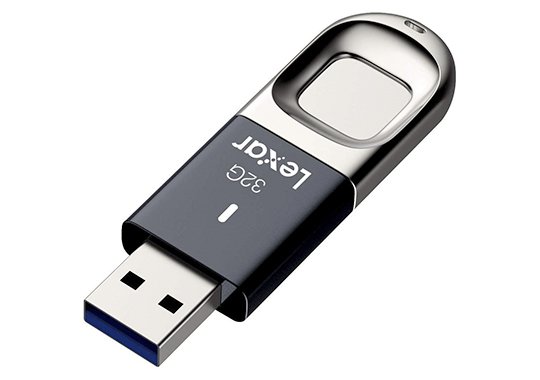
- Fingerprint Scanner
- Recognizes 10 Fingerprints
- Available in 32 GB, 64 GB, 128 GB, and 256 GB Capacities
The Lexar flash drive is one of the most impressive on this list. It features good speeds, solid casing, comes in at the same price point as your standard flash drive, has a fingerprint scanner. The Lexar one of the best encrypted flash drives.
Up to 10 fingerprints can be registered for ease of use and are recognized quickly. This level of protection is bound to be interesting to some.
Otherwise, the drive features fairly standard speeds with a USB 3.0 connection and a solid enough casing to make it secure. If you’re concerned about breakages on the fingerprint scanner, it comes with a 3-year warranty.
This is a more specialist flash drive but with a great price point.
- Very Secure
- Great Price Point
- Three Year Warranty
- Fingerprint Scanner not Compatible With use on Mac or Linux
- Damage to End of Device May Lock You Out of Your Files
How to Choose a Flash Drive
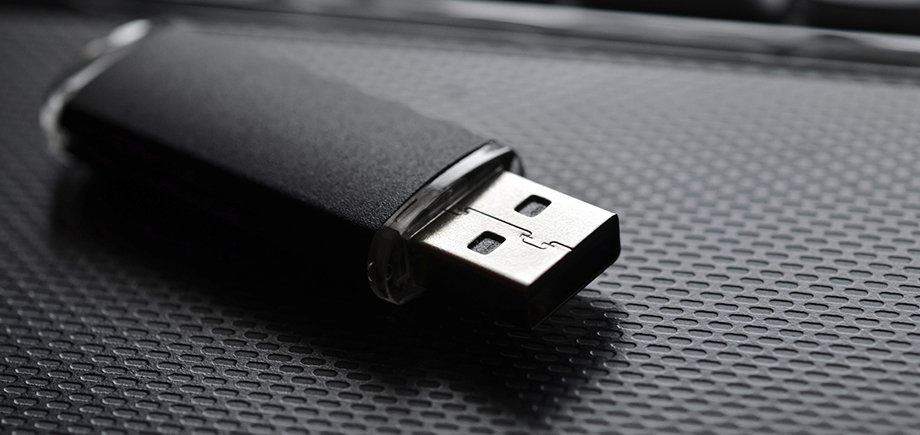
Those are some of the best flash drives currently available. Between them, there is something for everyone. However, it can be hard to exactly pick which one best suits your needs.
If you’re unsure, we’ve put together this buying guide to tell you everything you need to know about finding the right flash drive for you.
What You Need to Know
Before you decide which USB flash drive is for you, it is worthwhile finding out the essentials about the products. These are the basics when you’re looking for a flash drive:
- Vast Majority of Flash Drives Aren’t Locked to Mac or Windows – Flash Drives can be reformatted to work on any ecosystem.
- Any Flash Drive Can be Encrypted – A flash drive is just physical storage, you decide what you put on it. You can use some of this space one encrypting your files and adding security on any drive.
- USB Connections – USB 3.0 connections are considerably faster than previous versions. However, these USBs are backward compatible with USB 2.0 ports but they don’t receive the same speed boost. Equally, USB 2.0 flash drives will work with USB 3.0 and higher ports.
- USB Drives Are Fast and Portable – a USB Drive isn’t an external hard drive. They’re designed for fast transfer and to be quickly moved from device to device or place to place. However, the bigger capacity devices in this list make an argument against this. Consider how much storage you actually need from a portable device.
What to Consider Before the Purchase
With those things in mind, you need to figure out what type of drive you need. Your needs and concerns are going to be the thing that decides which of the flash drives is actually for you.
If you’re struggling to think what your needs are, you should consider these things to try and work it out:
- How Much Space Do You Need? – Look at the file sizes of what you’re storing. You may be surprised by how small the majority of files are. It isn’t worth buying a huge USB drive for the sake of transporting a few songs around.
- USB Connections – If you have a device without USB, or you’re considering upgrading soon, you need a flash drive that suits it. Similarly, getting the best USB 3.0 flash drive won’t get you any benefit if you’ve got USB 2 ports.
- What Environment Will It Be In? – Hardy and tough USB sticks are great for certain situations, as are the lightweight and small devices. However, consider where you’re going to use yours. If it is just in the office, these concerns aren’t going to be the most important.
- Speed – Speed is pretty important when it comes to these devices. However, all actual transfer times are going to vary from their top advertised speed. This comes down to a lot of things like how many files you’re moving, how full your PC or drive is already, and the format of the files.
With these things in mind, you should be able to figure out which of the best flash drives is for you.